What Are Boiler Controls and Thermostat Upgrades in Toronto?
Boiler control upgrades in Toronto run $250 to $650 CAD and cover aquastats, outdoor reset, zone control, mixing valves, and thermostats. They are the least glamorous work we do and consistently the best value. A control upgrade costing a few hundred dollars routinely delivers a larger efficiency gain than a homeowner would get from spending thousands on equipment, because on most GTA systems the equipment is fine and the control strategy is factory default.
That is the pattern we find repeatedly. A competent boiler was installed, the installer left the aquastat on its shipped setting, never fitted an outdoor sensor, and wired the zones in whatever way worked on the day. The house has been slightly uncomfortable and slightly expensive ever since, and nobody has looked at the control layer in fifteen years.
The 3 Boiler Control Upgrades That Pay Back Under 2 Years
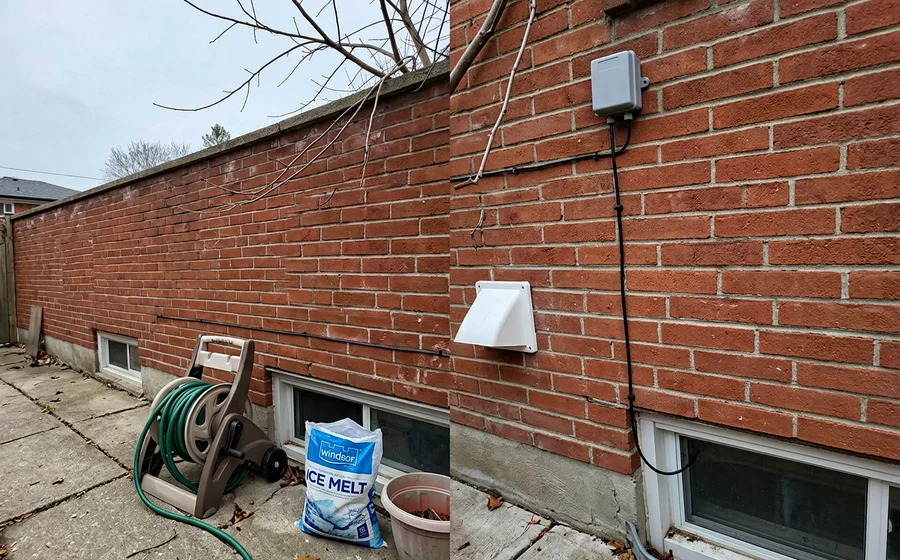
1. Outdoor reset, $400 to $550 CAD. The single highest-value control upgrade on any hydronic system. A sensor on a north-facing wall reads outdoor temperature, and the control lowers the boiler’s supply water temperature as it rises. On a design-day morning the system might supply 180F. On a mild March afternoon it supplies 120F, which is all the house needs. Lower supply means cooler return water, and cooler return water is what lets a condensing boiler condense. A rated 95%+ AFUE boiler running at a fixed 180F into radiators delivers closer to 87 percent. With reset, it spends most of the Toronto season condensing properly.
2. Zone control, $550 to $650 CAD. Splitting the house so unoccupied or naturally warmer areas are not heated to satisfy one cold room. On a typical two-storey Toronto home this cuts run time directly, and it solves the comfort complaint that drove the call in the first place.
3. Modulating aquastat, $250 to $650 CAD. Replacing crude on-off control with a device that matches burner output to actual demand, tightening the differential and eliminating the short cycling that wastes gas and wears ignition components.
All three pay for themselves inside two Toronto heating seasons on most homes. Very few upgrades in this trade can claim that.
How Much Do Control Upgrades Cost in Toronto?
| Upgrade | What it includes | CAD band |
|---|---|---|
| Thermostat or aquastat replacement | Control replaced, setpoint and differential calibrated to the system | $250 - $400 |
| Outdoor reset installation | Sensor sited, reset curve set to distribution, warm weather shutdown | $400 - $550 |
| Zone control and mixing valve | Actuators, labelled control panel, zone synchronisation, mixing setpoint | $550 - $650 |
The diagnostic that establishes which applies is $99 to $249 CAD and is waived when you authorise the work on the same visit.
Why the Reset Curve Has To Match Your House
An outdoor reset control works from a curve: a relationship between outdoor temperature and supply water temperature. That curve depends entirely on what the system is feeding.
Cast iron column radiators need a steep curve because they were sized for high supply temperatures. Even so, they can run far cooler than 180F for most of the season, which is exactly the opportunity most Toronto homes are leaving on the table.
Hydronic baseboard convectors need a moderately steep curve, since fin-tube output falls off quickly as water temperature drops.
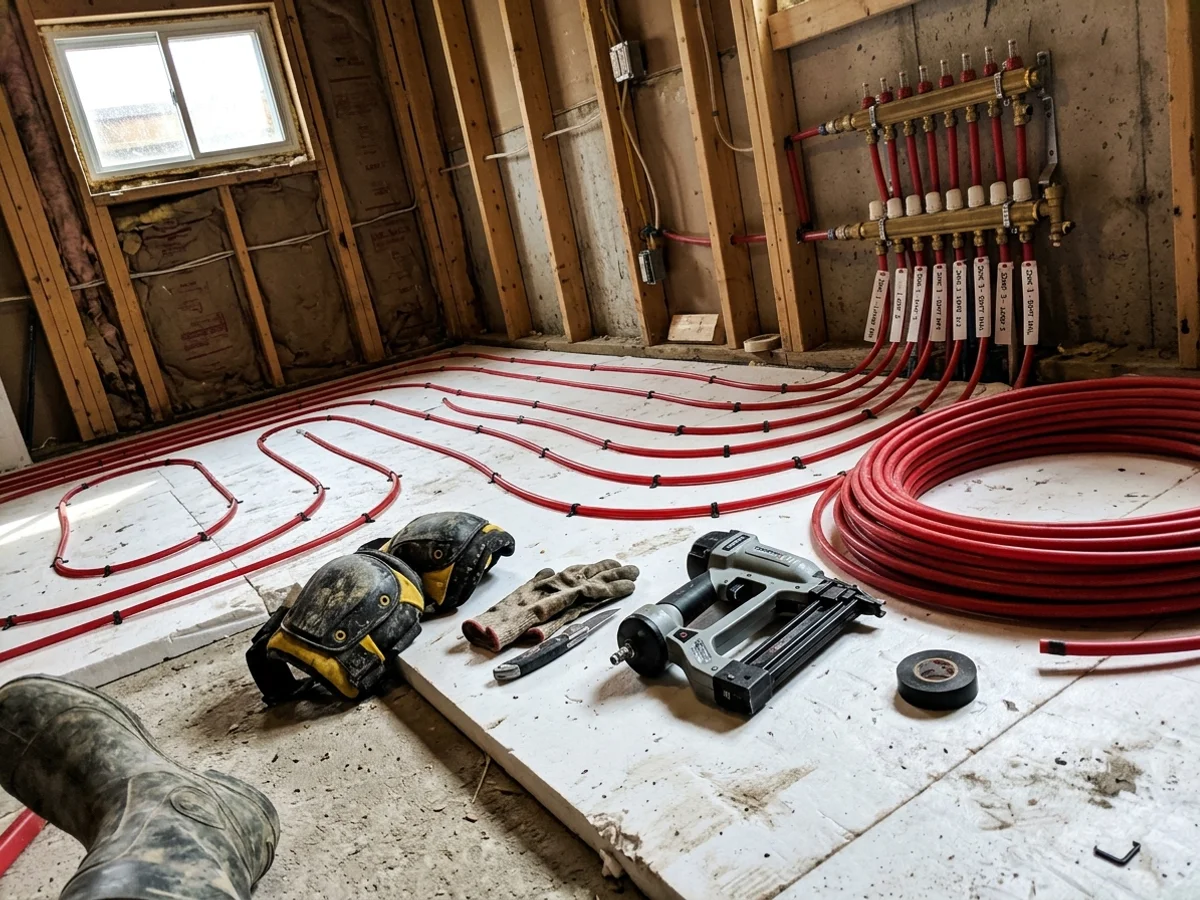
In-floor radiant needs a shallow curve at a much lower temperature range, typically 90F to 120F, and on a mixed system the radiant circuit gets its own mixing valve rather than sharing the radiator curve.
Setting a factory default curve on a radiator system leaves most of the saving unclaimed. Setting a radiator curve on a radiant slab overheats the floor. Matching the curve to the distribution type is the work, and it takes an hour of observation rather than a menu selection.
Zone Synchronisation: Why Two Zones Fight
When two zones call at different times with different requirements and the control does not sequence them, the system overshoots one and starves the other. Homeowners describe it as the upstairs roasting while the main floor stays cool, or as a house that never settles.
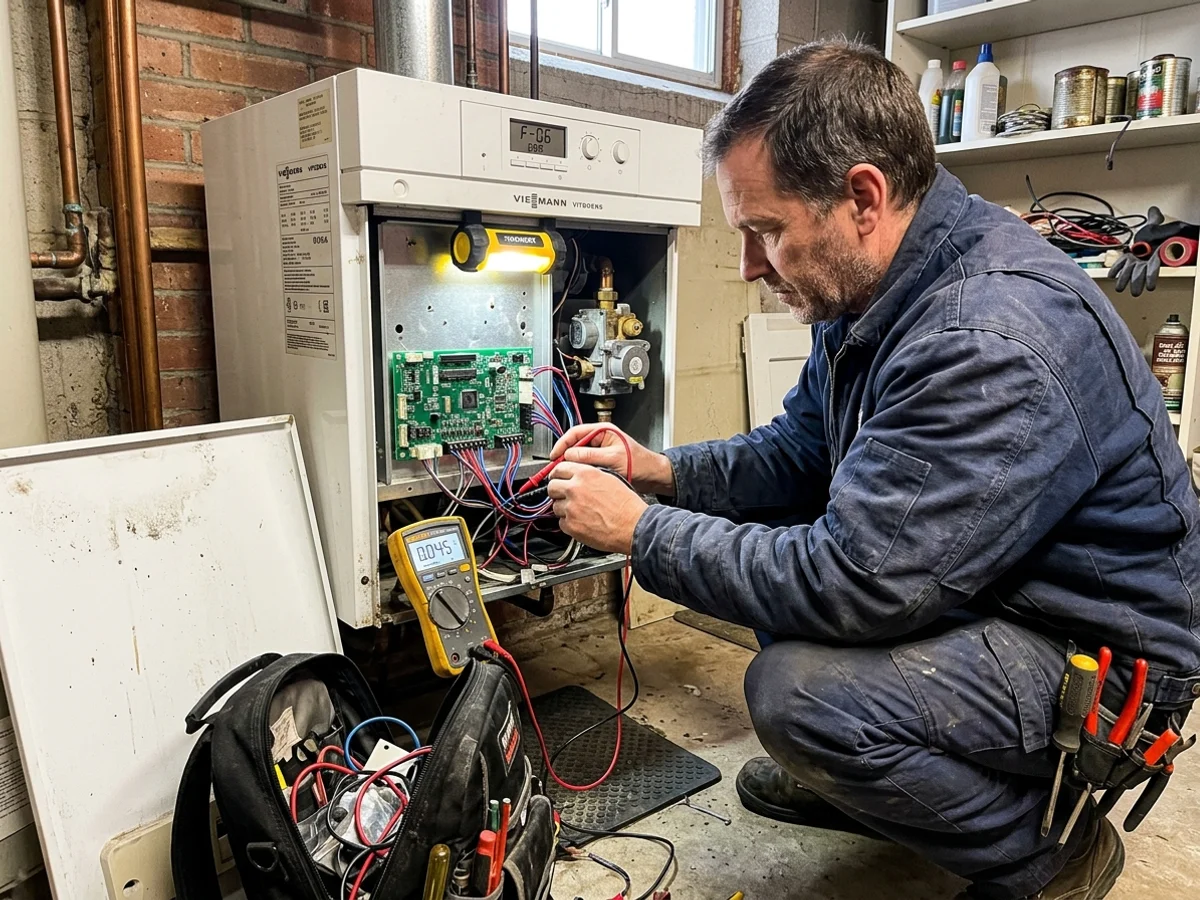
The causes are mundane. A zone valve actuator stuck partly open, so that zone takes flow even when it is satisfied. Zone thermostats wired to the wrong terminals after a renovation. A control panel configured for a system layout that changed years ago. Or a boiler with no zone-aware control at all, firing to a fixed setpoint regardless of how many zones are calling.
Diagnosis requires observing a full heating cycle rather than inspecting components, which is why it is so often missed. The correction sits inside the $550 to $650 CAD band and frequently resolves complaints that have been attributed to the boiler for years.
Smart Thermostats: What They Do and Do Not Do
Smart thermostats are useful for scheduling and remote access, and we fit them where the wiring supports it. It is worth being clear about the limits.
A thermostat decides when the system runs. It does not decide what temperature water the boiler produces. On a forced air system those are nearly the same thing, which is why smart thermostat savings claims are usually quoted from furnace data. On a hydronic system, supply water temperature is where efficiency lives, and that is the outdoor reset control’s job.
The best arrangement is both, with the smart thermostat handling occupancy and schedule and the reset control handling water temperature. If you are choosing one, choose the reset control. It delivers several times the saving.
One caution on radiant: deep setbacks that work well on forced air are counterproductive on a slab, because recovering a cold slab takes hours and the system overshoots on the way back. We set radiant schedules for steady operation rather than aggressive setback.
What Actually Stops Toronto Homeowners From Upgrading Their Controls
“It is only a thermostat, why does it cost hundreds of dollars” is the most common hesitation, and it undersells the work. The $250 to $650 CAD band covers the control audit that identifies which of the three payback upgrades your house actually needs, plus the labour to size, wire, and calibrate it to that system rather than fitting a generic replacement. Guessing at the fix without the audit is how a homeowner ends up buying a device that changes nothing because the temperature swing was never a scheduling problem.
“The boiler runs fine, so why touch the controls” is the second. A boiler can run every day for fifteen years on a factory-default aquastat, never trip a fault code, and still quietly burn more gas than it should while leaving two rooms uncomfortable. None of that looks broken from the basement. It shows up as a gas bill and a cold bedroom, not as a warning light.
“I cannot tell if the person adjusting my system actually understands hydronics” is the third, and it matters more here than on most jobs, because a bad control setting does not throw an error, it just quietly costs money for years. Every technician holds TSSA G1 or G2 certification, and every setpoint, curve, and differential we configure is written into the service report so the next person opening the panel, including one of ours, is working from a record rather than a guess.
How Our Control Upgrade Process Works
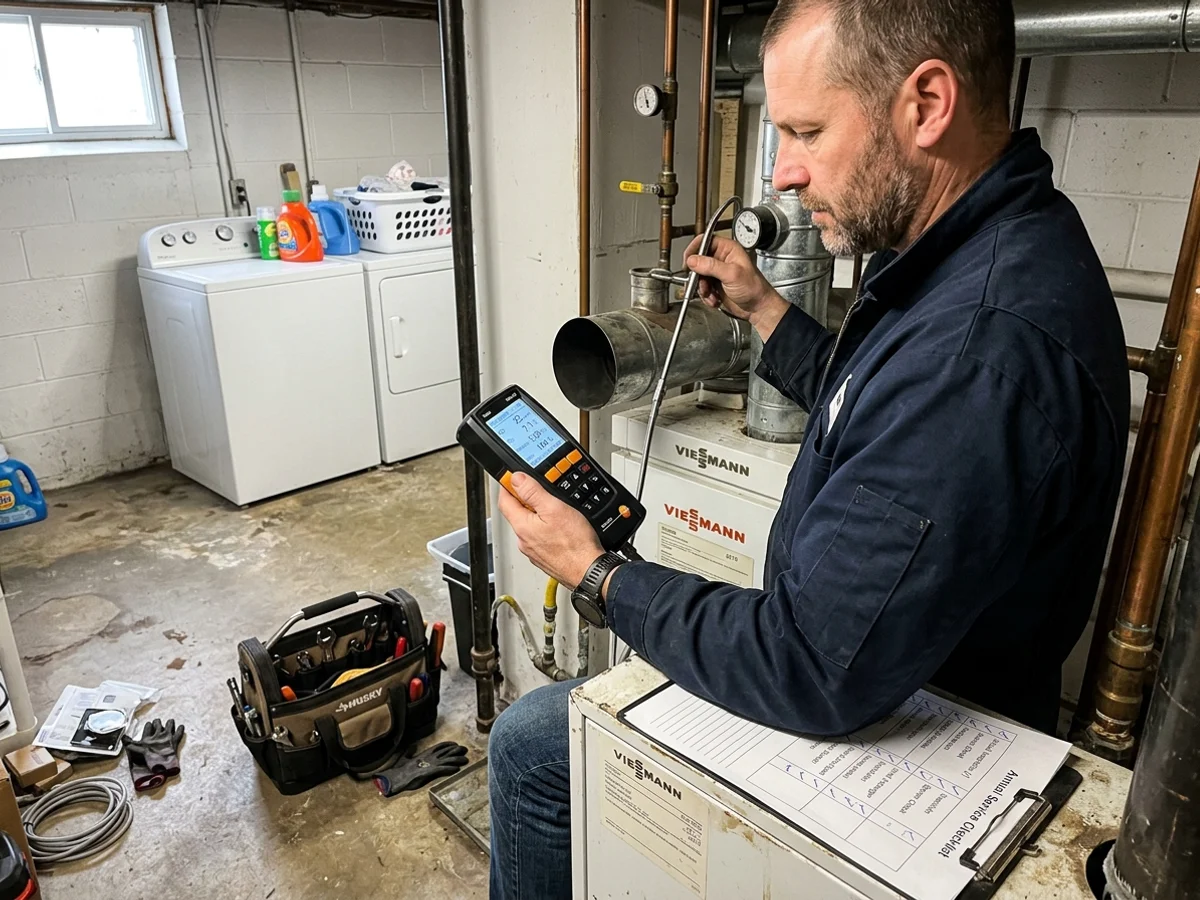
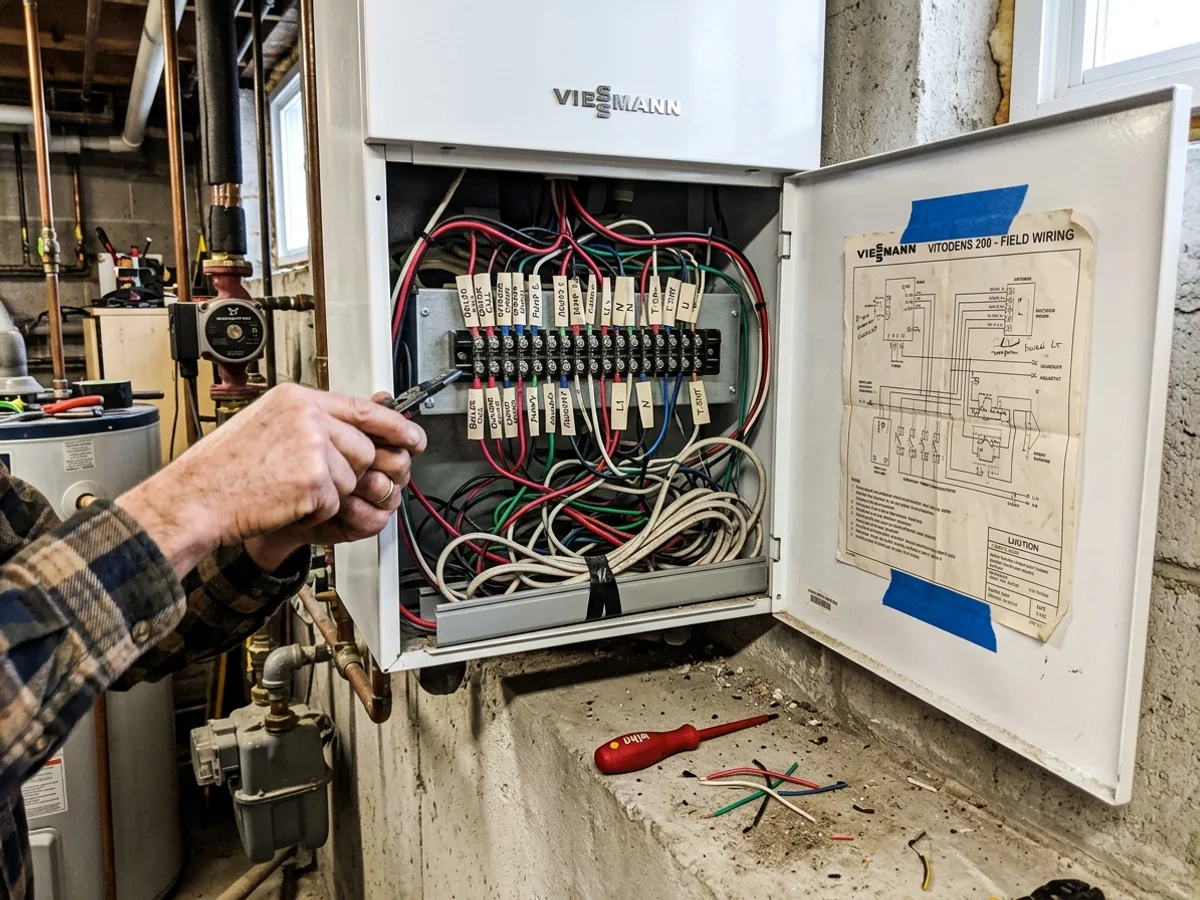
Control audit first, recording existing aquastat setpoints and differentials, whether an outdoor reset is fitted and what curve it runs, how zones are wired, and the mixing valve setpoint where one exists, compared against how the house actually behaves. Identify the gap, since most systems are running factory defaults, and the audit shows which of the three payback upgrades applies. Written CAD quote against the published $250 to $650 CAD band before any work starts. Install and wire, with sensors sited away from direct sun and exhaust vents, actuators wired to a labelled panel, and every terminal marked. Set the curve, matched to the distribution type, with warm weather shutdown configured and zone synchronisation proved under load. Verify and document, observing a full heating cycle, checking room temperatures, and writing every configured setting into the report alongside the written workmanship warranty.
Control work pairs naturally with the 12-point annual service, where the control check is item twelve. If the boiler itself is at end of life, upgrading controls on equipment being replaced within two years is not the right spend, and Boiler Replacement Toronto covers that decision. Every scope we offer is listed with its CAD band on our boiler installation services in Toronto overview.